How to Drive Practical and Effective Change in Your Construction Business
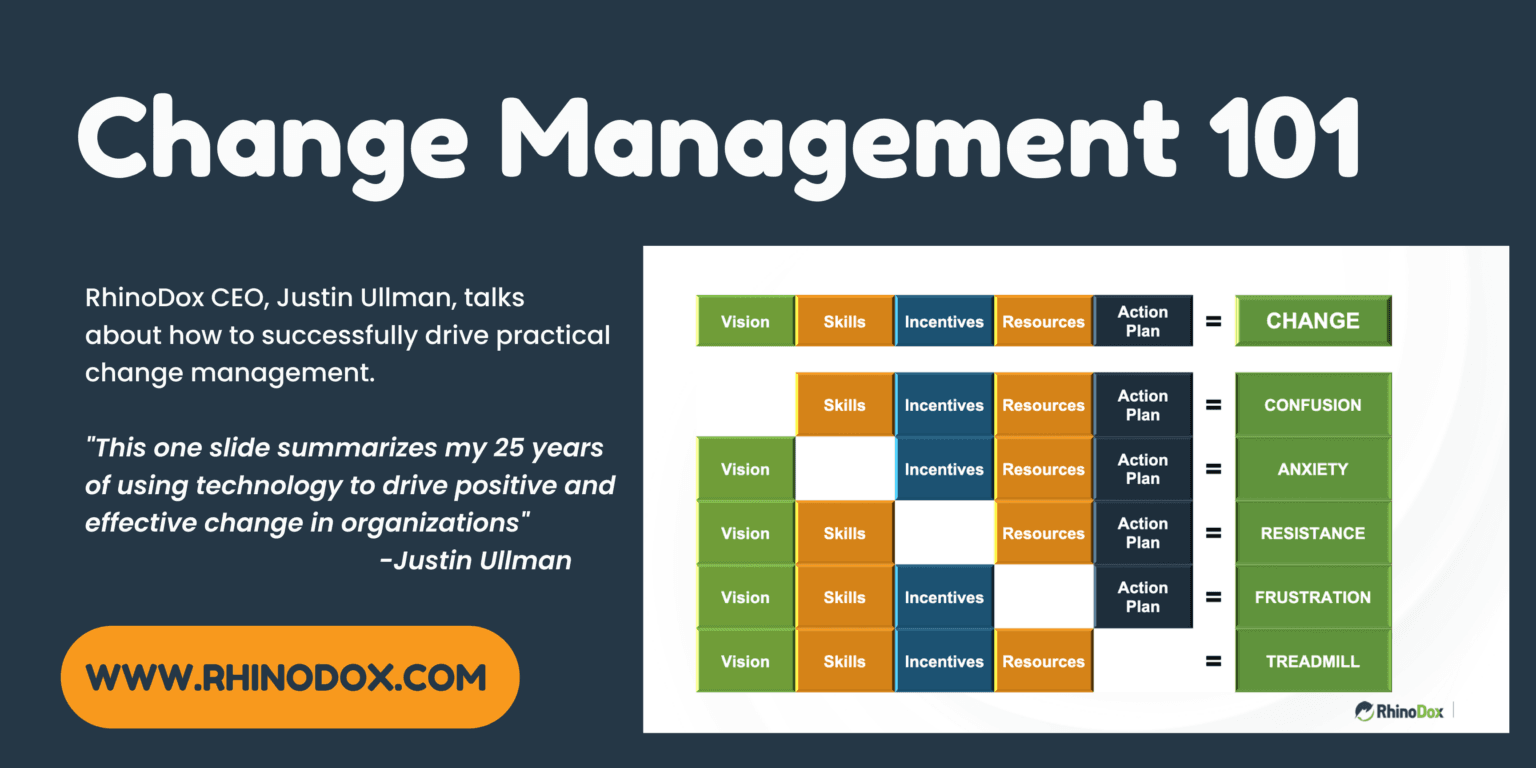
The construction industry is evolving rapidly, and companies must adapt or risk falling behind. Outdated bidding methods are no longer viable. A proven change management model provides a structured approach to navigating transformation successfully.
The Five Components of Change Management
The model consists of five essential elements:
- Vision
- Skills
- Incentives
- Resources
- Action Plan
Without these components, change efforts typically result in confusion, anxiety, resistance, frustration, and a sense of spinning wheels without progress.
Vision — Overcoming Confusion
Clear vision builds confidence. Organizations must communicate:
- Why the change is necessary
- Consequences of delay or inaction
- A complete picture of expected outcomes
- Benefits for individuals and the organization
Skills — Addressing Anxiety
Team members require the necessary competencies to execute change effectively. Leaders must possess subject matter expertise, ability to gather requirements, evaluate technology, and mentor stakeholders. Inadequate skills create workplace stress.
Incentives — Reducing Resistance
"People resist change they perceive is not in their interest." Organizations must clearly communicate incentives and consequences. Recognition systems and tolerance for failure matter significantly in overcoming resistance.
Resources — Managing Frustration
Time: Change demands dedicated time investment. Without it, transformation occurs only through luck or market pressure — a disadvantageous position.
Money: Meaningful change requires financial investment. Attempting to build solutions internally proves costlier and slower. Strategic spending during challenging periods mitigates future uncertainty risks.
Action Plans — Creating Direction
Structured implementation prevents implementation from feeling futile. Successful change requires defining problems, desired outcomes, responsibilities, timelines, and progress monitoring.
The Pain Curve
Change involves discomfort during transition. However, proper process management minimizes this pain curve, allowing organizations to reach improved states faster and with greater confidence.
Conclusion
The coming years will differ significantly from the previous decade. Construction companies must prepare now through deliberate change management that benefits both prosperous and challenging times.